Hair & Scalp
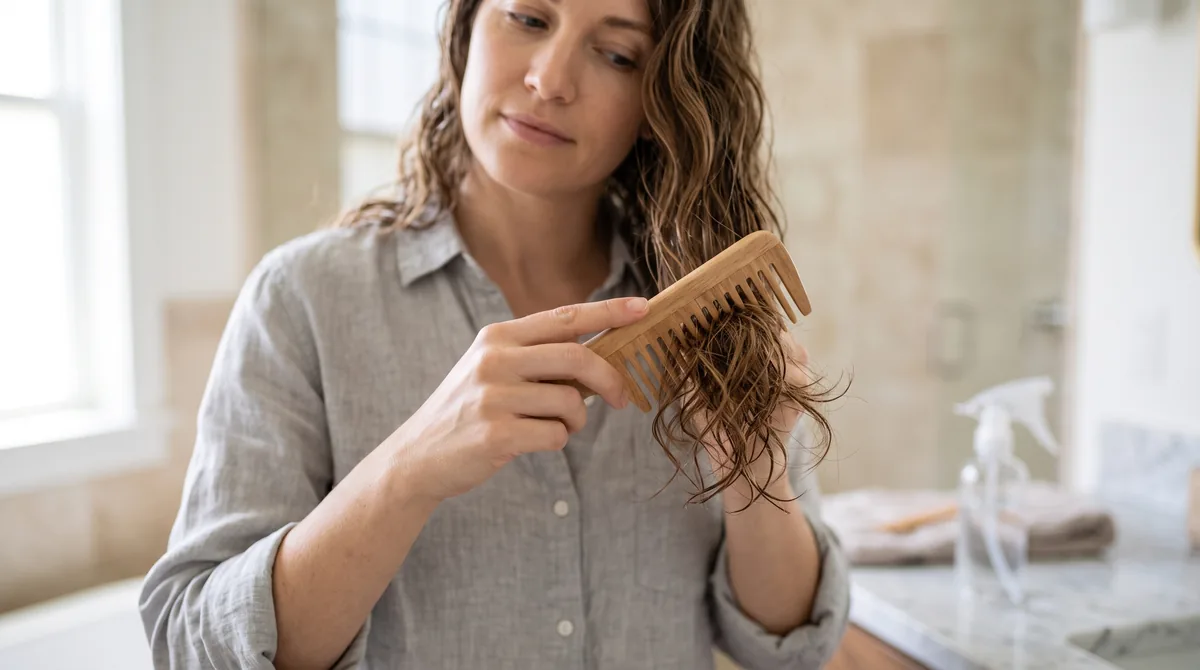
Detangling Damaged Hair: Tools, Techniques, and What to Avoid
Mineral buildup makes hair tangles worse. Here's how to detangle damaged hair without breakage, and why removing the substrate matters more than the brush.
If you've moved to a dry, hard water climate and your hair has changed, you're not imagining it. This section covers the science of environmental hair damage, practical solutions for mineral buildup and scalp health, and honest guidance on what actually works when your usual routine stops delivering.
Mineral buildup makes hair tangles worse. Here's how to detangle damaged hair without breakage, and why removing the substrate matters more than the brush.

Hair oiling can deeply nourish, or sit uselessly on top of mineral buildup. Here's how to tell if your pre-wash oil routine is actually working.
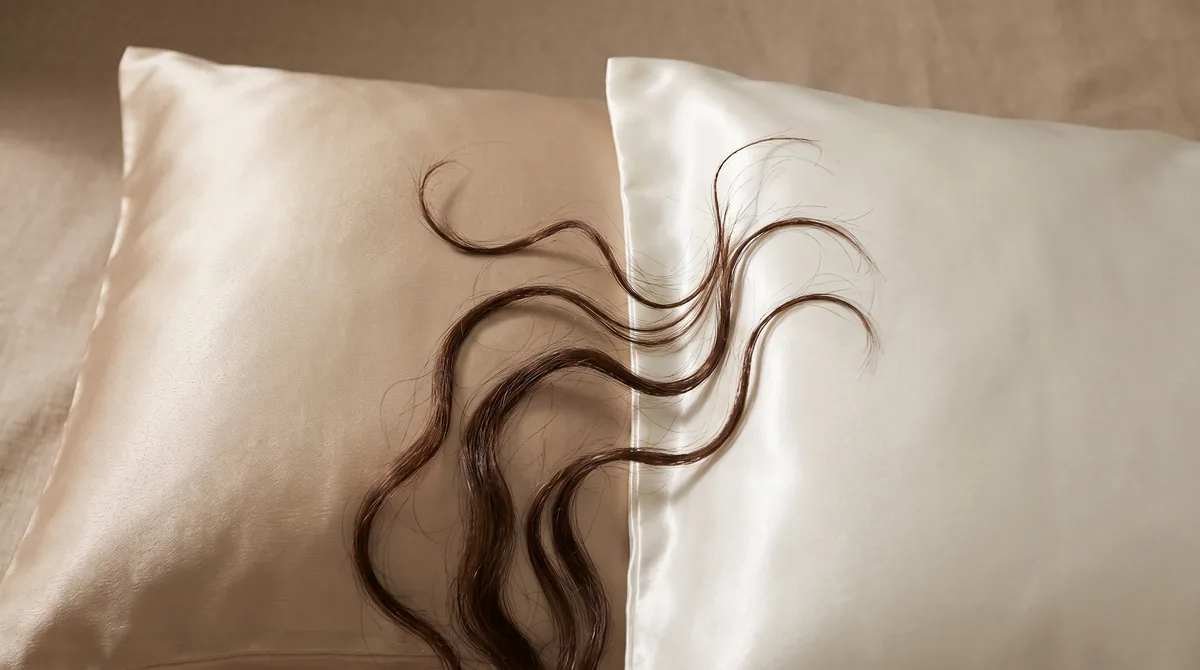
Friction causes breakage. Minerals cause buildup. Here's how the right pillowcase reduces one source of damage while you address the other.
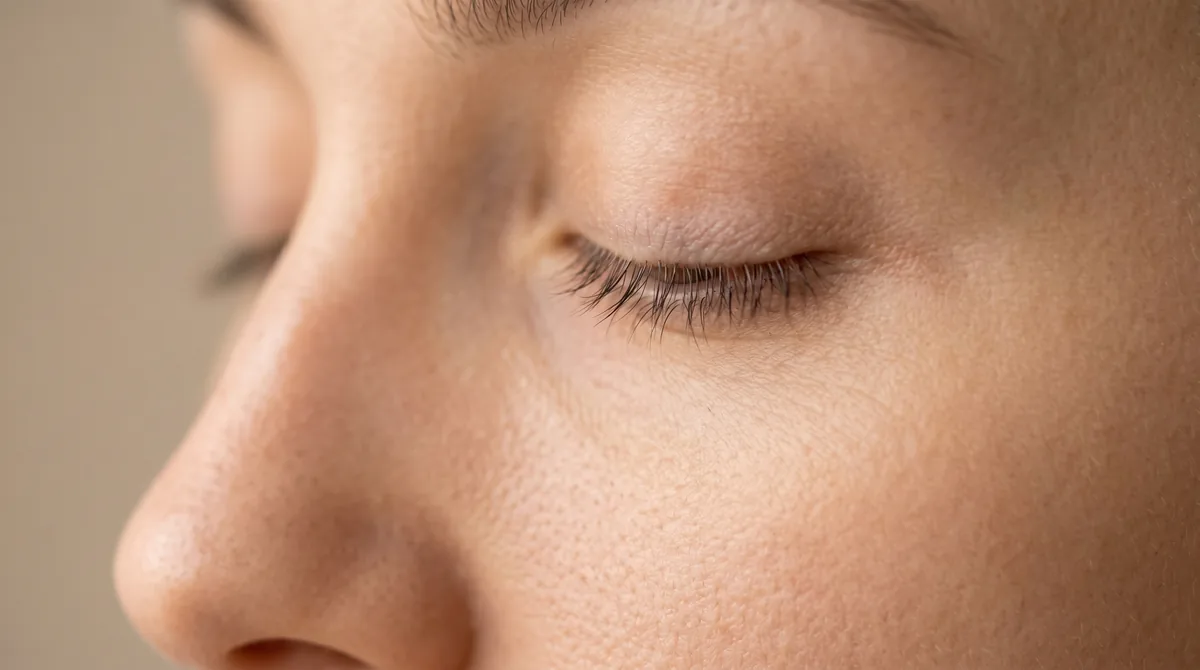
Sparse lashes aren't just cosmetic. Environmental stress, nutritional gaps, and hard water affect lash follicles the same way they affect scalp hair.

Active women in hard water climates face a double assault on hair. Here's how to protect your scalp from sweat buildup and post-workout damage.

Tight braids plus mineral buildup create traction risk in Gulf heat. Here's how to protect your hair without wrecking your scalp or edges.

Daily swimming destroys hair through chlorine and mineral exposure. Here's how to protect it with the right swim cap, pre-swim prep, and post-swim protocol.

Ocean water leaves more than just salt behind. Here's how to properly recover curly and wavy hair after beach exposure without making mineral buildup worse.
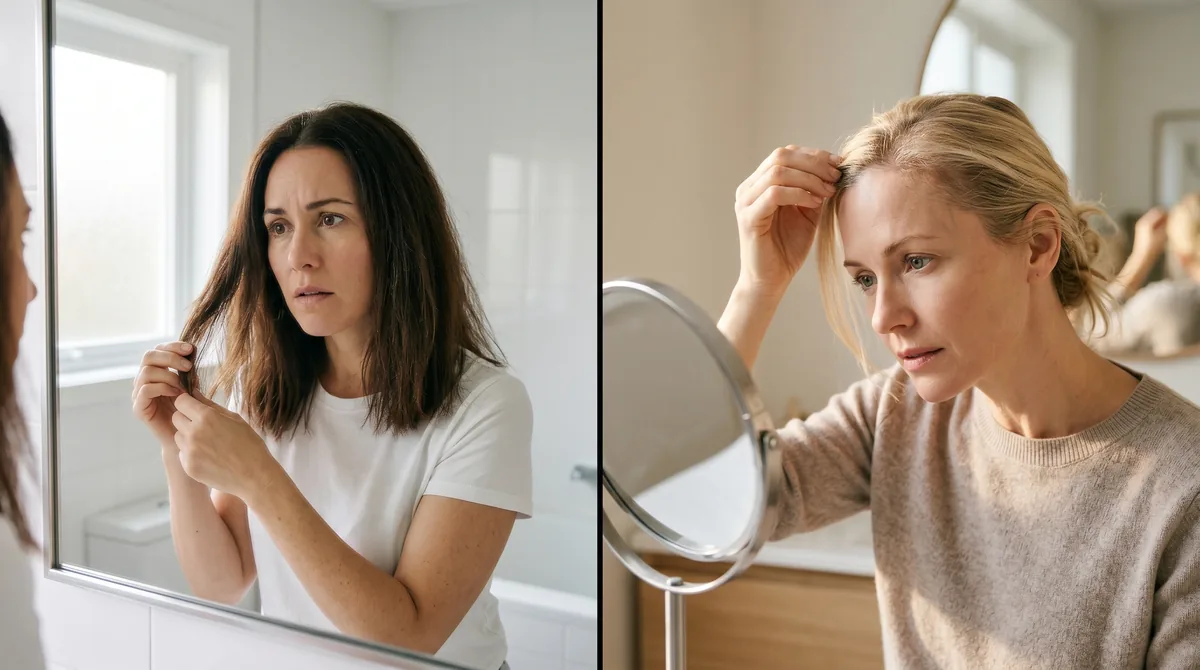
Hypothyroid and hyperthyroid hair loss present completely differently. Here's how to recognise which pattern you're seeing and what it means for treatment.
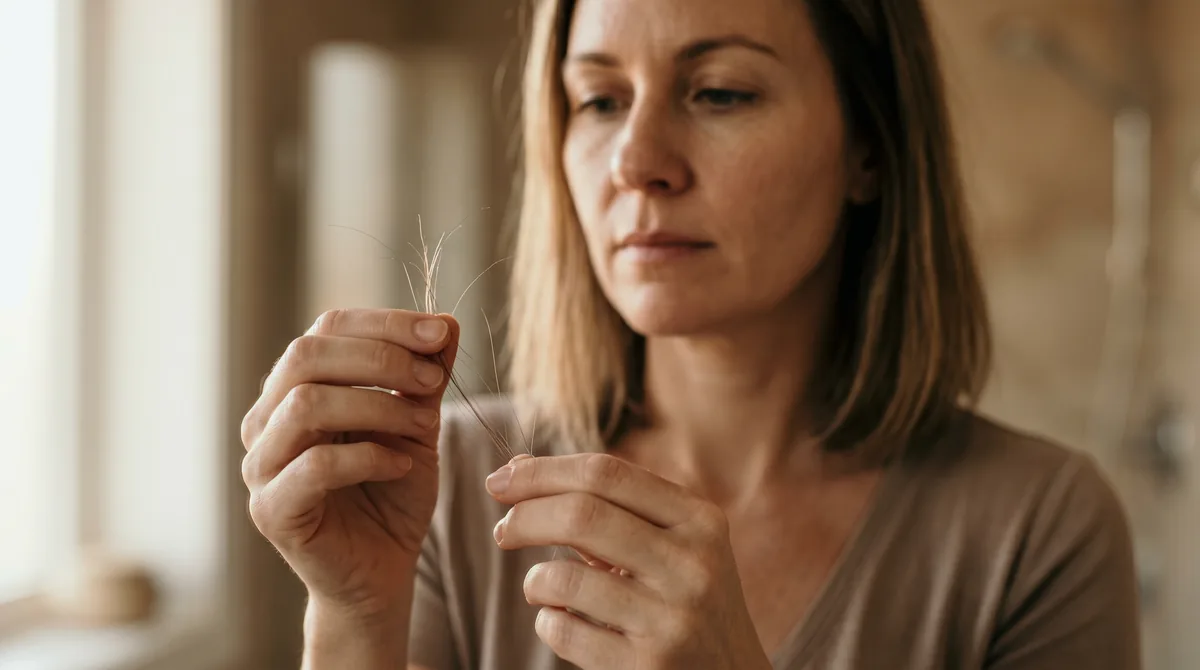
Your hair changed overnight, but you're only 42. Before you blame your products, understand what perimenopause does to hair and why the Gulf climate makes it...